Loading
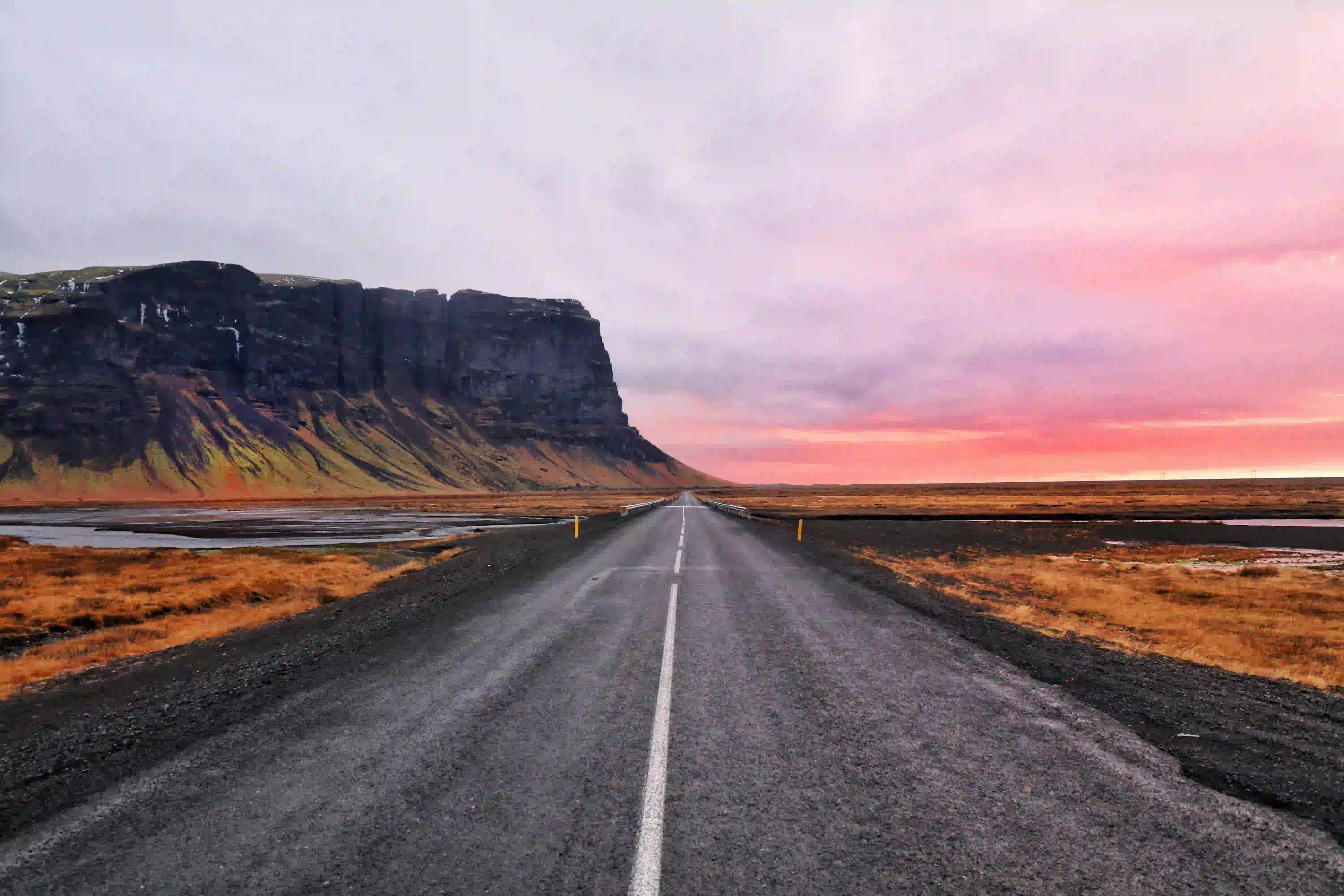
Iceland Northern Lights Expedition: A Practical Guide for UK Travellers Seeing the Northern Lights in Iceland is one of those travel experiences that can feel almost unreal. One moment you may be standing beneath a dark Icelandic sky, surrounded by volcanic landscapes, glaciers o...
Seeing the Northern Lights in Iceland is one of those travel experiences that can feel almost unreal. One moment you may be standing beneath a dark Icelandic sky, surrounded by volcanic landscapes, glaciers or snow-covered mountains; the next, ribbons of green, purple or pink light can begin moving across the horizon.
An Iceland Northern Lights Expedition is more than simply booking a trip and hoping the aurora appears. The best experience comes from choosing the right time of year, understanding Iceland's weather, allowing enough nights for aurora hunting and preparing properly for cold, wind and changing conditions.
For travellers from the UK, Iceland is also relatively convenient compared with many long-haul Northern Lights destinations. Its dramatic scenery, geothermal pools, waterfalls and distinctive food culture mean that the trip can be worthwhile even on nights when the aurora remains hidden behind clouds.
This guide explains how to plan an Iceland Northern Lights Expedition, when to go, where to look for the aurora, what an expedition involves, what to pack and how to make the most of your time in Iceland.
Iceland offers a particularly appealing combination of accessibility, dramatic scenery and opportunities to experience the Northern Lights away from brightly lit urban areas.
Although seeing the aurora can never be guaranteed, Iceland's location close to the Arctic Circle gives travellers good opportunities during the darker months when solar activity and clear skies coincide.
The attraction is not only the Northern Lights themselves. Iceland allows you to combine aurora hunting with landscapes and experiences that make the journey memorable regardless of the forecast.
Depending on your itinerary, you could spend the day exploring:
Then, after sunset, your focus can shift towards finding darker skies and suitable conditions for viewing the aurora.
This combination makes an Iceland Northern Lights Expedition particularly attractive for travellers who want more than a single sightseeing activity.
The Northern Lights require darkness, so they are primarily associated with Iceland's darker autumn, winter and early spring months.
The exact viewing conditions vary from night to night. A strong aurora forecast does not help much if thick cloud covers the sky, while a clear night with moderate aurora activity can sometimes provide an excellent display.
For this reason, it is better to think about Northern Lights travel as a season rather than a specific guaranteed date.
Early in the Northern Lights season, Iceland can offer a useful balance between darkness and relatively manageable travel conditions.
Autumn can also provide less wintry scenery than the depths of winter, which may appeal to travellers who want to combine aurora hunting with road trips and sightseeing.
However, Icelandic weather can change quickly. Rain, wind and cloud can affect travel plans, so flexibility remains important.
Winter is often the period people imagine when they picture Iceland beneath the Northern Lights.
Longer hours of darkness create more opportunities to search for aurora displays, while snow and winter landscapes can add to the atmosphere.
However, winter also brings more challenging conditions. Roads can become slippery, storms can develop quickly and daylight hours are limited.
If you are not accustomed to winter driving, an organised excursion or guided expedition can be a more comfortable option than attempting a demanding self-drive itinerary.
The Northern Lights season can continue into early spring while nights remain sufficiently dark.
This can be an appealing period for travellers who want a mixture of aurora hunting and daytime sightseeing without making the entire trip about winter conditions.
Whatever month you choose, checking the latest weather and aurora forecasts shortly before travelling is essential.
The aurora is created when charged particles from the Sun interact with Earth's atmosphere.
For travellers, however, the important point is much simpler: several conditions need to come together before you have a good opportunity to see the display.
These include:
This is why booking a Northern Lights holiday should never be treated as purchasing a guaranteed show.
The aurora can appear quickly and disappear just as fast. Sometimes it may begin as a faint glow before becoming much more visible.
Experienced guides and tour operators monitor forecasts and weather conditions to identify promising viewing opportunities. Their local knowledge can be particularly valuable when cloud cover affects one part of Iceland but not another.
A common mistake is to plan an Iceland Northern Lights trip around a single evening.
If the weather is cloudy that night, your opportunity may disappear.
A longer stay gives you more chances to find favourable conditions and also allows you to experience Iceland during daylight.
For many travellers, several nights provide a better balance than attempting to see everything in one short visit.
A longer itinerary can allow you to:
If your main objective is the Northern Lights, having flexibility is often more valuable than packing every possible attraction into a short schedule.
You do not necessarily need to travel to an extremely remote location to see the Northern Lights. The most important consideration is often finding a sufficiently dark area with suitable weather.
However, moving away from the brighter areas around Reykjavík can improve the viewing environment.
Reykjavík can be a convenient base for travellers who want access to restaurants, accommodation and excursions.
The city's artificial light can make faint aurora displays harder to see, so organised tours commonly travel outside the brightest areas when conditions allow.
Staying in Reykjavík also means you can combine city sightseeing with evening Northern Lights excursions.
South Iceland is particularly attractive for travellers who want to combine aurora hunting with spectacular daytime scenery.
The region is known for dramatic landscapes, waterfalls, volcanic features and coastal scenery.
A South Coast itinerary can therefore turn a Northern Lights holiday into a broader Iceland adventure rather than a single-purpose trip.
Remote areas with limited artificial lighting can provide excellent conditions when the sky is clear.
Some travellers choose countryside accommodation specifically so they can step outside at night without needing to make a long journey.
This can be especially appealing when your accommodation has a good view of the surrounding landscape and you are willing to wait for changing conditions.
One of the biggest decisions when planning an Iceland Northern Lights Expedition is whether to join organised excursions or explore independently.
Both approaches have advantages.
A guided expedition can simplify the experience considerably.
An experienced local guide may monitor weather and aurora forecasts, select suitable viewing areas and handle the driving.
This can be particularly useful during winter, when unfamiliar roads and rapidly changing weather may make driving stressful.
Organised tours can also be helpful for first-time visitors who do not know the Icelandic landscape.
A self-drive itinerary offers greater flexibility.
You can decide where to stop, how long to stay and which daytime attractions to visit. It can work well for confident drivers who are comfortable adapting plans according to weather and road conditions.
However, winter driving in Iceland requires serious preparation.
Road conditions can change quickly, and a route that appears straightforward on a map may become difficult during poor weather.
Travellers should always check current road and weather information and avoid taking unnecessary risks simply to reach an aurora-viewing location.
The right clothing can make a major difference to your experience.
Northern Lights viewing often involves standing outdoors for an extended period, sometimes late at night. Even if you are comfortable walking around during the day, waiting outdoors after dark can feel considerably colder.
A practical packing list may include:
Layering is particularly useful because temperatures can feel different depending on wind, activity and whether you are standing still.
Waterproof footwear is also important because Iceland's terrain can be wet, icy, snowy or uneven depending on the season and location.
Photographing the aurora is possible with suitable equipment, but it is worth remembering that cameras can capture details that are difficult to see clearly with the naked eye.
A modern camera with manual controls can be useful, particularly when paired with a sturdy tripod.
A smartphone may also capture brighter aurora displays, depending on its camera capabilities and settings.
For serious photography, consider:
Cold weather can affect battery performance, so carrying spare batteries and protecting equipment from unnecessary exposure can be helpful.
Do not spend the entire display looking at your screen, however. The photographs are souvenirs; the experience itself is the reason for making the journey.
Icelandic weather can be unpredictable.
A forecast that looks favourable in the morning can change considerably by evening. Strong winds, cloud, rain, snow and icy conditions may all affect travel.
This is particularly important during a Northern Lights expedition because the aurora itself is only part of the equation.
You need darkness and suitable aurora activity, but you also need enough clear sky to see the display.
For this reason, build flexibility into your itinerary.
Avoid arranging every hour of a short trip so tightly that one weather disruption ruins the entire plan.
If driving independently, check current road conditions before setting out and be prepared to change your route when conditions become unsafe.
For UK travellers, planning starts with deciding what type of Iceland experience you want.
Some visitors want a short city break focused mainly on the Northern Lights. Others want a broader Iceland holiday combining aurora hunting with waterfalls, glaciers, geothermal experiences and scenic drives.
Start by deciding how many nights you can comfortably spend in Iceland.
A very short trip may be convenient, but it leaves less flexibility if the weather does not cooperate.
Adding extra nights can provide more opportunities for Northern Lights viewing and reduce the pressure to see everything immediately.
Think about whether you want:
Your choice should reflect your priorities rather than simply the accommodation price.
If the Northern Lights are your main objective, consider how easy it will be to reach darker areas at night.
Avoid assuming that a particular evening will definitely be your Northern Lights night.
Instead, treat each suitable evening as another opportunity.
This approach can make the trip considerably less stressful.
Iceland can be an exciting destination for families, but cold-weather activities require additional planning.
Children may find waiting outdoors for an aurora display difficult if they are not properly dressed or if the viewing period becomes lengthy.
Families should consider:
It can also help to include daytime attractions that children will enjoy, so the holiday remains rewarding even if the aurora is not visible on a particular night.
Older travellers may enjoy Iceland's landscapes and Northern Lights just as much as younger visitors, but comfort and accessibility deserve greater attention.
Instead of creating an itinerary that requires long walks every day, consider a more relaxed schedule.
Accommodation should be chosen with practical factors in mind, including access, heating, bathrooms and transportation arrangements.
For evening aurora excursions, warmth and the ability to wait comfortably are especially important.
A guided tour with suitable transportation may be preferable to long periods of standing outdoors or driving unfamiliar winter roads.
A Northern Lights expedition does not necessarily involve travelling continuously throughout the night.
A typical evening may involve checking the latest weather and aurora conditions, travelling to a suitable location and waiting for the sky to become active.
Sometimes the experience can be surprisingly quiet.
You may spend time beneath a dark sky without seeing anything immediately. Then a faint glow may appear on the horizon.
If conditions improve, the aurora can become brighter and more dynamic.
This unpredictability is part of the experience.
It is important to approach the expedition with realistic expectations rather than expecting a dramatic display every night.
A little preparation can prevent several common problems.
This creates unnecessary pressure.
If clouds or poor conditions affect that evening, there may be no second opportunity.
The Northern Lights forecast alone is not enough.
Cloud cover, wind and road conditions can determine whether you can reach or remain at a viewing location.
Standing outside late at night in Iceland requires more warmth than a normal sightseeing day.
Dress for waiting, not just walking.
Trying to visit every major attraction in a short trip can leave you exhausted.
Give yourself enough time to enjoy the landscape rather than racing between locations.
Forecasts are useful tools, not promises.
The Northern Lights are a natural phenomenon and remain unpredictable.
Iceland has much more to offer than the aurora.
Build your itinerary around the wider destination so your trip remains enjoyable regardless of what happens after dark.
A successful expedition is not only about seeing the aurora. It is also about making the journey enjoyable.
Choose accommodation that allows you to rest properly between excursions.
Plan meals in advance when travelling outside major towns.
Keep your phone and other essential devices charged.
Check the weather before leaving accommodation and dress accordingly.
If you are joining a guided excursion, follow the guide's safety instructions and avoid wandering away from the group simply to find a darker viewpoint.
Most importantly, allow yourself time.
The best Northern Lights experiences often come when travellers stop trying to control every part of the evening and simply wait for nature to provide the moment.
An Iceland Northern Lights Expedition can be the centrepiece of a larger holiday.
During daylight hours, you can explore Iceland's natural attractions before returning to your accommodation and preparing for another evening of aurora hunting.
A balanced itinerary might include a combination of:
The exact route should depend on your travel dates, weather conditions, interests and comfort with driving.
Rather than trying to cover the entire country, choose a manageable region and explore it properly.
Planning an Iceland trip independently is possible, but an organised travel service can be useful for people who prefer having key arrangements coordinated.
This can be particularly valuable when your trip involves multiple components such as flights, accommodation, transfers, excursions and a carefully planned itinerary.
Tooba Travels LTD can help travellers consider their wider travel requirements and select arrangements that suit their planned holiday.
When comparing travel packages, look beyond the headline price. Consider what is included, the location of accommodation, transportation arrangements, flexibility and the level of support available if plans need to change.
A well-planned itinerary should make the journey easier rather than simply adding more activities.
For travellers who enjoy dramatic landscapes, outdoor experiences and natural phenomena, an Iceland Northern Lights Expedition can be an exceptional holiday.
The key is to understand that the Northern Lights are not a scheduled attraction.
There is no guarantee that the aurora will appear on a particular night, even when forecasts look promising.
What you can control is the quality of your planning.
Choose an appropriate season. Allow enough nights. Monitor weather conditions. Dress properly. Leave room for flexibility. Consider guided excursions if winter driving is outside your comfort zone.
Most importantly, enjoy Iceland as a destination in its own right.
If the aurora appears, it can become the unforgettable highlight of the trip. If it does not, the waterfalls, volcanic landscapes, glaciers, geothermal experiences and distinctive character of Iceland can still make the journey worthwhile.
Planning an Iceland Northern Lights Expedition requires a little more thought than simply choosing a date and booking a flight. The best experience comes from giving yourself enough time, understanding Iceland's unpredictable weather and preparing for long, cold evenings outdoors.
For UK travellers, Iceland offers an appealing combination of accessibility and extraordinary natural scenery. Whether you choose a guided expedition, a self-drive adventure or a carefully arranged holiday package, flexibility should remain at the heart of your plans.
Take time to choose the right accommodation, prepare suitable clothing, monitor weather and aurora conditions, and avoid building an itinerary that is too demanding.
If you are planning an Iceland Northern Lights holiday and would prefer help arranging the key elements of your journey, Tooba Travels LTD can help you explore suitable travel options and plan a trip around your priorities.
Click each day to view detailed schedules and highlights.
This package features the following premium handpicked inclusions:
Return flights
Included in base package fare.
Premium hotel accommodation
Included in base package fare.
Daily breakfast
Included in base package fare.
Northern Lights tour
Included in base package fare.
Golden Circle tour
Included in base package fare.
Blue Lagoon entry
Included in base package fare.
All package pricing is based on quad/family accommodation share. Dual, triple, or solo upgrades are fully customizable. Flights originate from London Heathrow, Manchester, or Birmingham. Our backing ensures secure reservations.