Loading
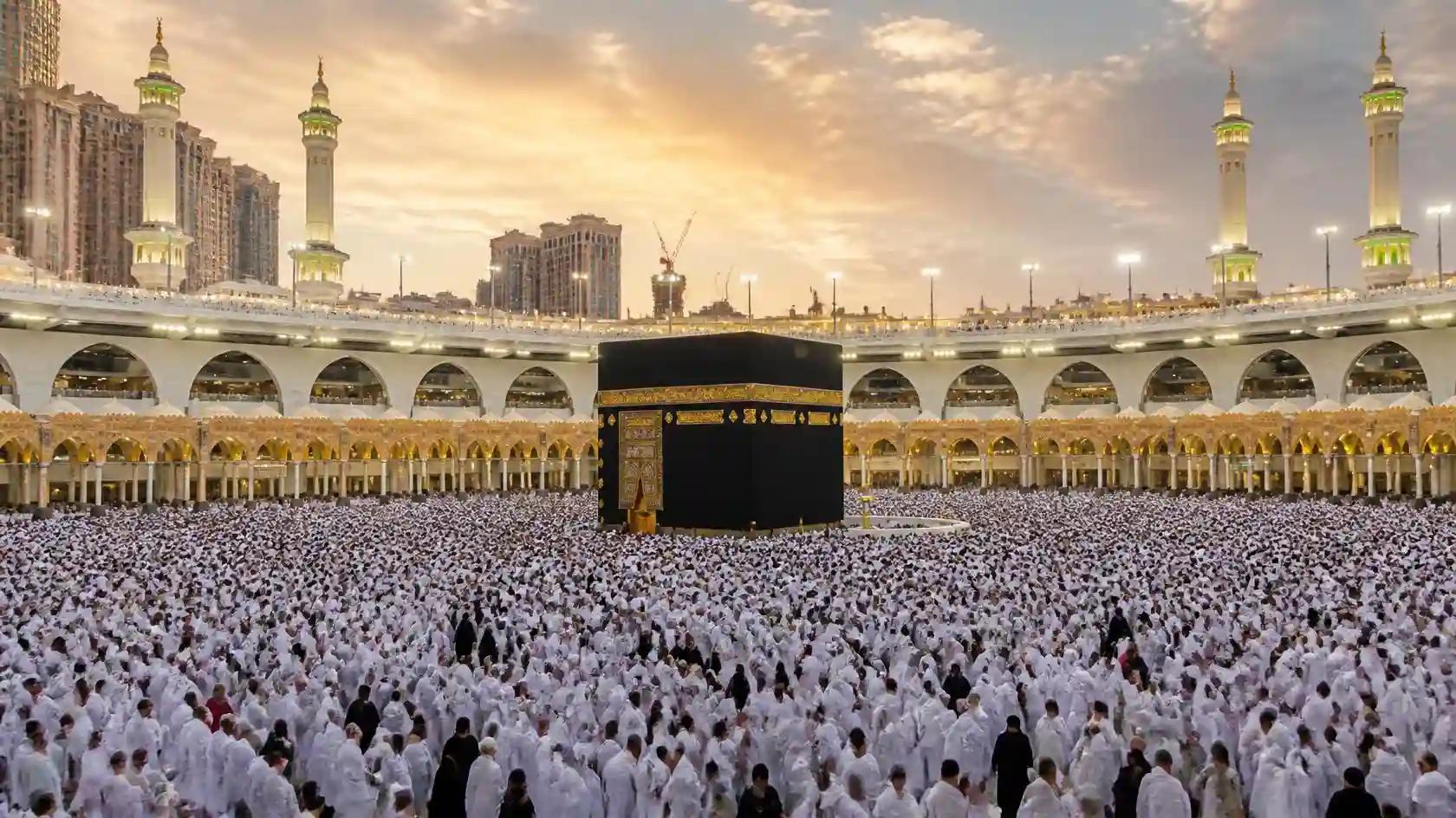
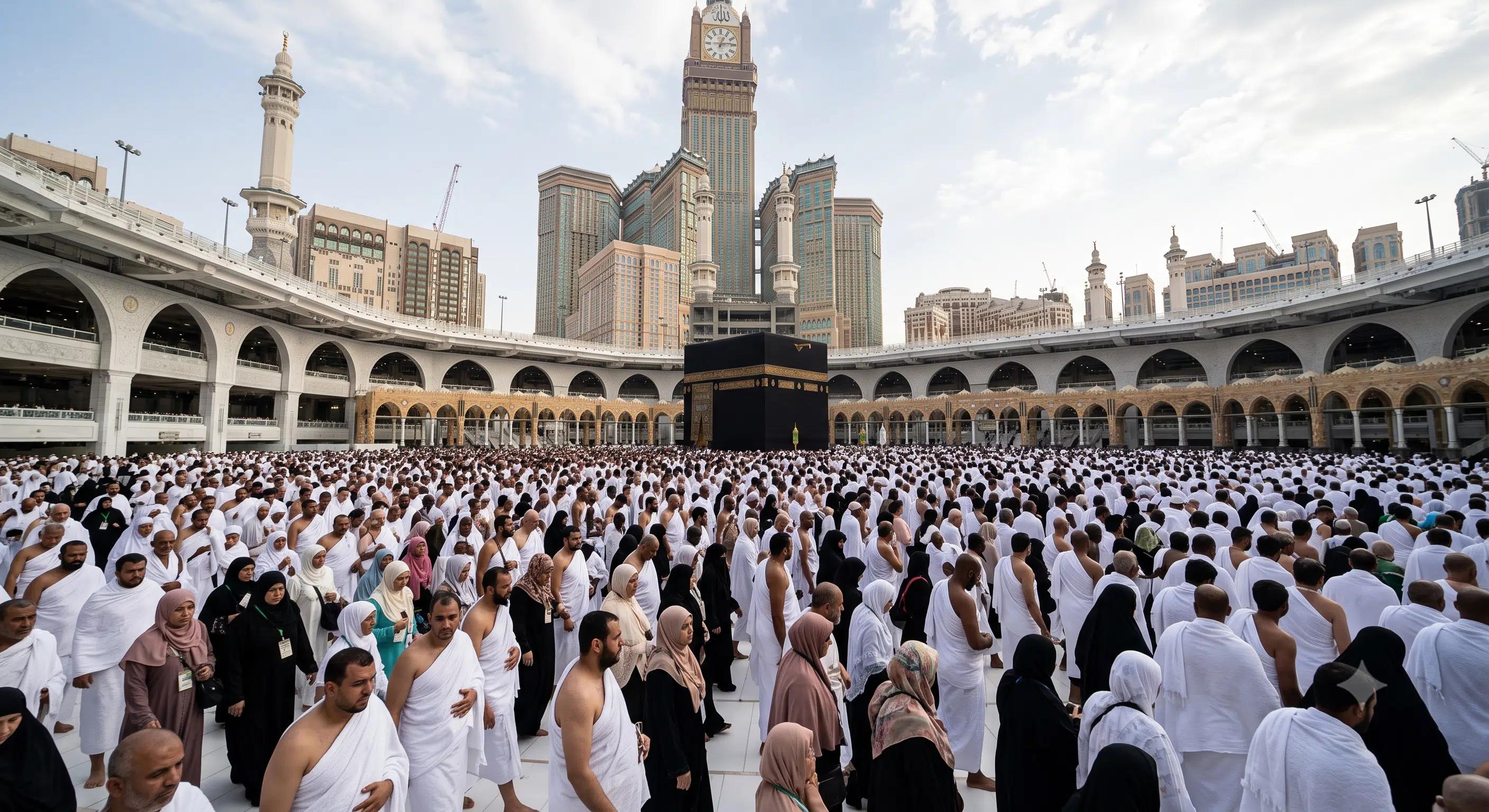
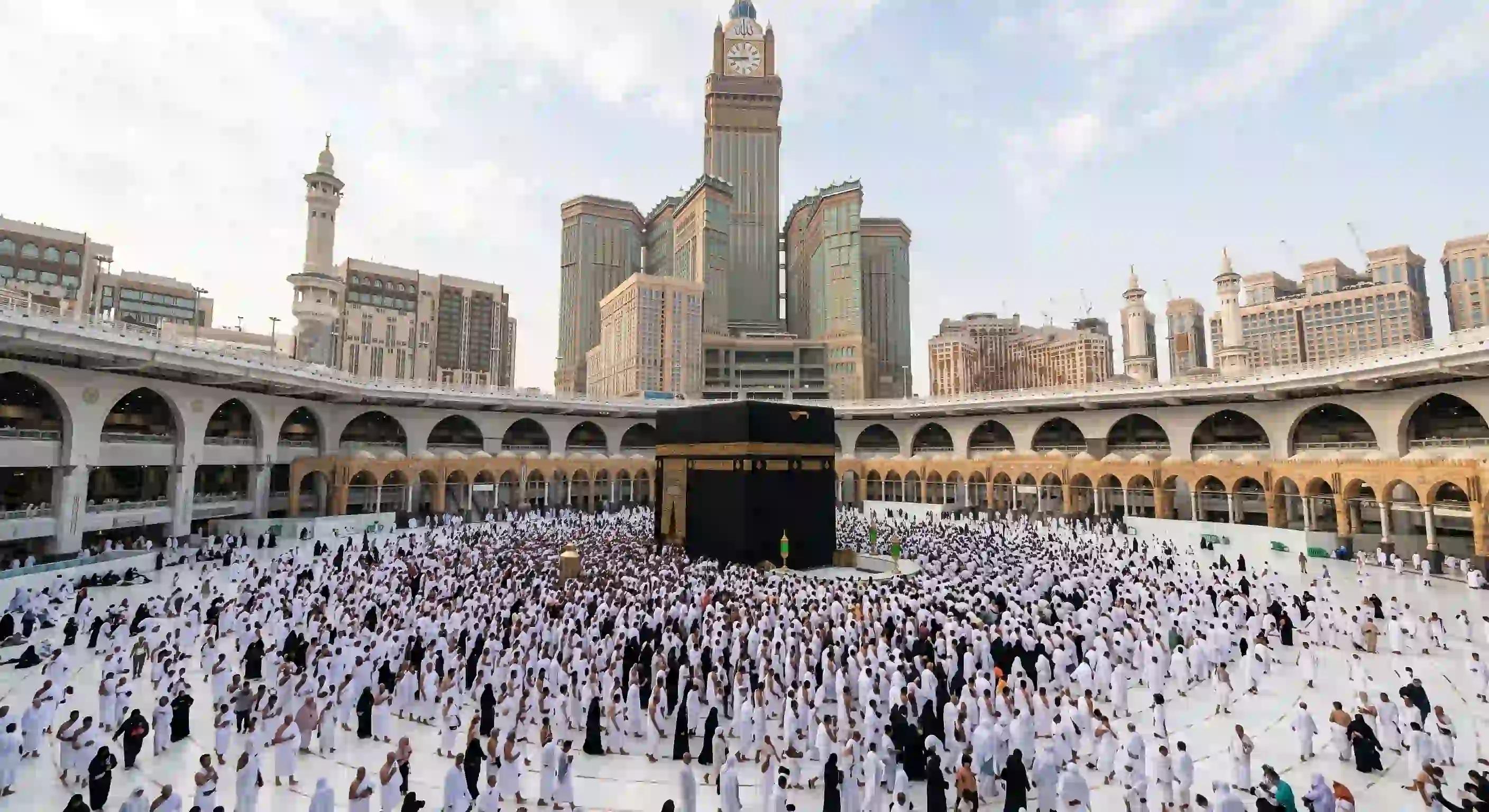
Standard Shifting Hajj Package: A Practical Guide for Comfortable and Well-Planned Hajj Planning for Hajj involves more than arranging flights and accommodation. Pilgrims need to consider where they will stay, how they will move between the holy sites, how much walking is involve...
Planning for Hajj involves more than arranging flights and accommodation. Pilgrims need to consider where they will stay, how they will move between the holy sites, how much walking is involved, what services are included, and whether the package suits their personal needs. For travellers looking for a practical balance between organised travel and manageable accommodation arrangements, a Standard Shifting Hajj Package can be an option worth considering.
The term “shifting” generally refers to accommodation arrangements in which pilgrims may stay in different locations or properties during different stages of the Hajj journey, depending on the package itinerary and operational arrangements. Unlike a fully fixed-stay arrangement, a shifting package may involve moving between accommodations according to the pilgrimage schedule.
For first-time pilgrims, families, elderly travellers, and anyone comparing different Hajj packages, understanding how a standard shifting arrangement works can make the booking process much easier. The most important point is to look beyond the package name and carefully understand what is included, where accommodation is located, how transfers are managed, and what level of assistance is available.
A Standard Shifting Hajj Package is generally designed for pilgrims who want an organised Hajj experience with planned accommodation and transportation while accepting that accommodation arrangements may change during the pilgrimage.
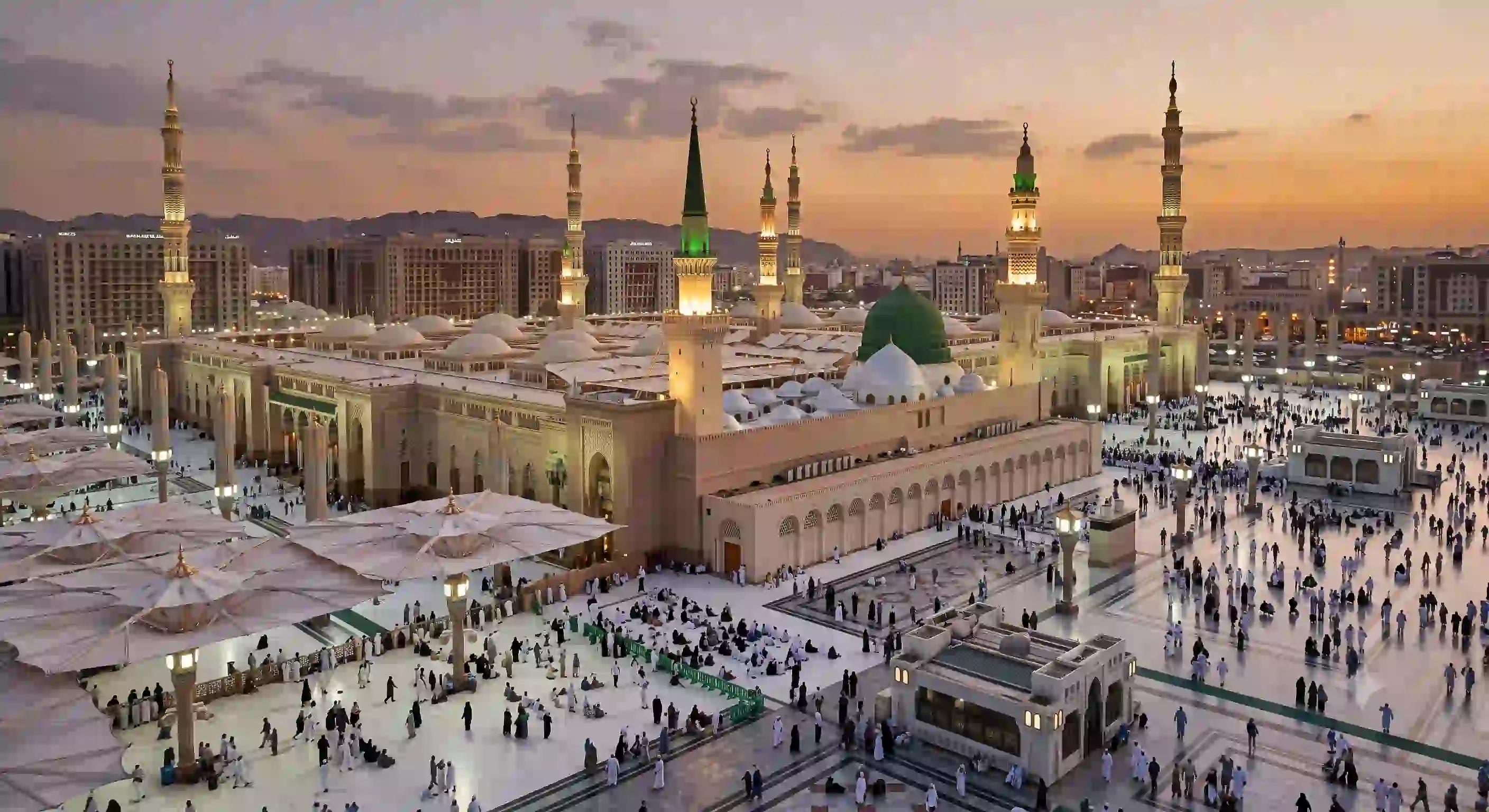
The exact structure varies between travel providers and Hajj arrangements. A package may include different accommodation arrangements for different stages of the journey, particularly as pilgrims move through Makkah, Madinah, Mina, Arafat, and Muzdalifah.
The word “standard” does not necessarily mean poor quality or uncomfortable. It usually indicates that the package is designed around practical services and reasonable accommodation rather than the premium facilities associated with luxury Hajj packages.
A shifting arrangement may be suitable for pilgrims who prioritise:
Before booking, however, pilgrims should always ask the provider to explain exactly what “shifting” means within that particular package.
One of the biggest differences between shifting and non-shifting arrangements is accommodation continuity.
With a fixed accommodation package, pilgrims may remain in the same hotel or accommodation for the relevant part of their stay. With a shifting arrangement, the itinerary can involve moving from one accommodation arrangement to another.
This can happen because the pilgrimage itself involves movement between holy sites and because accommodation availability and operational arrangements can differ during the Hajj season.
A typical journey may involve accommodation arrangements connected with:
The exact sequence and accommodation arrangements should never be assumed from the package title alone.
Hajj is different from an ordinary holiday. During the pilgrimage, large numbers of pilgrims travel through the same locations within a limited period. Accommodation and transportation therefore need to be organised around the pilgrimage schedule rather than simply around hotel convenience.
A shifting package can allow the travel provider to coordinate accommodation with the wider pilgrimage itinerary.
For travellers, this means it is particularly important to understand:
Knowing these details in advance can make the journey considerably easier.
A standard shifting arrangement can appeal to pilgrims who want structured travel without necessarily paying for the highest level of accommodation.
The main advantage is that it can provide a practical framework for managing a complex pilgrimage journey.
Hajj involves numerous logistical considerations. Flights, accommodation, transportation, pilgrimage movements, meals, documentation, luggage and group coordination all need to be managed.
A professionally organised package can reduce the amount of individual planning required.
Rather than arranging every part of the journey separately, pilgrims can work with a travel provider that coordinates the relevant services according to the package.
For some travellers, accommodation represents a significant part of the overall Hajj budget. Choosing a standard package with shifting accommodation may provide a more practical alternative to premium fixed-stay arrangements.
However, the cheapest package is not automatically the best choice.
Pilgrims should compare the complete package rather than looking only at the headline price. A lower price may reflect differences in accommodation location, transportation, meal arrangements, room occupancy or other services.
Transportation is particularly important during Hajj because pilgrims need to move according to the pilgrimage schedule.
A package may include transportation arrangements between relevant locations, although the exact services differ between providers.
Before booking, ask:
Clear answers to these questions can prevent misunderstandings later.
Accommodation is one of the most important aspects to examine before selecting a Standard Shifting Hajj Package.
A hotel that looks suitable on paper may not be equally convenient for every traveller. Location, room occupancy, access to transportation and the amount of walking required can all affect the experience.
Distance and accessibility are especially important during Hajj.
Pilgrims may already be walking considerably during the pilgrimage, so accommodation that requires additional long walks can become challenging, particularly for elderly travellers or people travelling with young children.
When comparing packages, ask the travel provider for clear information about accommodation locations and the practical access arrangements.
Do not rely solely on phrases such as “near Haram” or “convenient location.” Ask what the actual arrangement means for your daily routine.
Room sharing can have a significant impact on comfort.
A standard package may offer different room occupancy options, depending on availability and package structure. Travellers should confirm:
Families travelling together should discuss room arrangements before confirming their booking.
The shifting element means pilgrims should prepare for transitions.
If accommodation changes during the itinerary, travellers may need to organise their luggage carefully and follow instructions from the group or travel coordinator.
Keeping essential items separately packed can be particularly useful.
A small day bag containing important documents, medication where applicable, basic toiletries, Ihram-related necessities, chargers and other essentials can save time when larger luggage is being moved.
Package inclusions vary considerably, so pilgrims should request a written breakdown before booking.
Depending on the provider and arrangement, a Hajj package may cover services such as:
Not every package includes all of these services.
This is why the phrase “all-inclusive” or “complete package” should not replace a detailed itinerary and written list of inclusions.
Taking time to ask questions before paying a deposit can prevent many common problems.
A useful checklist includes:
These questions are especially important for first-time pilgrims who may not know which details require closer attention.
Families can consider a standard shifting package, but their needs should be assessed carefully.
Travelling with children can make frequent transitions more demanding. Parents may need easier access to luggage, food, rest areas and transportation.
Before choosing a shifting arrangement, families should consider:
If a family includes elderly parents or relatives with limited mobility, these factors become even more important.
The right package is not necessarily the one with the most features. It is the one that matches the family's practical needs.
Hajj can be physically demanding, and older pilgrims may require additional planning.
Walking, waiting, changes in accommodation and crowded transportation can all contribute to fatigue. Elderly travellers should therefore assess the complete itinerary rather than focusing only on accommodation quality.
A standard shifting package may still be appropriate, provided the accommodation and transportation arrangements are manageable.
Families travelling with older pilgrims should discuss:
It is also useful to avoid overpacking. Carrying unnecessary luggage can make accommodation changes more difficult.
The easiest way to make a shifting Hajj arrangement manageable is to prepare before travelling.
Instead of keeping everything in one large suitcase, organise belongings according to how frequently they will be needed.
A practical packing system can include:
Keep passports, booking documents, identification and other required paperwork safely organised and easily accessible.
Travellers should also maintain copies of important documents where appropriate.
Men should plan their Ihram requirements carefully, while women should ensure they have suitable, comfortable clothing for the pilgrimage.
Comfort is important because pilgrims may spend extended periods walking, waiting and travelling.
Pack lightweight, comfortable clothing suitable for the expected weather and duration of the trip.
Avoid taking more clothing than necessary, particularly when accommodation changes are part of the itinerary.
Comfortable footwear can make a substantial difference during a pilgrimage involving significant walking.
Pilgrims should choose footwear they have already worn and know to be comfortable rather than taking brand-new shoes on the journey.
A small personal bag can contain items that may be needed throughout the day, such as:
The exact contents should be adjusted according to individual needs and the provider's guidance.
Hajj is not simply a sightseeing trip with a fixed daily schedule. The pilgrimage has specific religious rites and movements that determine how pilgrims spend their time.
For that reason, travellers should avoid creating an overly ambitious personal itinerary.
The priority should be to follow the pilgrimage arrangements and guidance provided by qualified religious scholars, authorised Hajj organisers and relevant officials.
Rest should also be treated as part of good planning.
Trying to remain active throughout every available hour can lead to unnecessary exhaustion. Pilgrims need sufficient energy for the essential acts of worship and movements during the pilgrimage.
The cost of Hajj can vary depending on several factors, including accommodation, flights, room occupancy, transportation and the overall package structure.
When comparing a Standard Shifting Hajj Package, look at the total value rather than simply choosing the lowest advertised price.
A useful comparison should consider:
Package FactorWhat to CheckAccommodationLocation, occupancy and arrangementsFlightsDeparture, return and baggage conditionsTransportationIncluded routes and transfersMealsWhether meals are included and how they are providedShiftingNumber and timing of accommodation changesSupportGroup and travel assistanceDocumentationWhat is included and what the traveller must arrangeAdditional CostsAny services or expenses excluded
This approach makes it easier to compare packages fairly.
Even experienced travellers can overlook important details when planning Hajj.
A low price can appear attractive, but the overall arrangement matters more.
Always compare accommodation, transportation, room occupancy, inclusions and support before making a decision.
The word may have different practical implications depending on the package.
Ask the provider to explain exactly when, where and why accommodation changes occur.
Pilgrims should consider how much walking may be involved throughout the pilgrimage.
This is particularly important for elderly family members.
Large amounts of luggage can make transfers more difficult.
Pack carefully and keep frequently needed items accessible.
Before making a booking, read the terms relating to payments, cancellations, changes and included services.
A verbal explanation should not replace written package details.
Hajj preparation involves more than packing a suitcase.
Travellers should organise their documentation, travel arrangements, personal essentials and religious preparation well in advance.
Choosing a Hajj package is an important decision because the pilgrimage involves several connected travel arrangements.
At Tooba Travels LTD, the focus should be on helping pilgrims understand the practical elements of their selected package before they travel. When considering a Standard Shifting Hajj Package, travellers should receive clear information about accommodation arrangements, transportation, itinerary details and the services included.
A good travel provider should make it easier for pilgrims to understand what they are booking rather than leaving important details unclear.
If you are considering a standard shifting arrangement, discuss your requirements with Tooba Travels LTD and confirm the current package details, availability, inclusions and applicable travel requirements before making a booking.
The success of a Hajj journey is not determined by accommodation alone.
Good preparation can make a major difference. Pilgrims should understand their itinerary, organise their belongings, prepare for walking and travel, and remain flexible when dealing with the practical realities of a large-scale pilgrimage.
A standard shifting package can work well for travellers who value organised arrangements and practical accommodation while being comfortable with changes in accommodation during the journey.
The key is to choose a package that matches your circumstances.
For a first-time pilgrim, the most useful approach is to ask questions before booking, compare the complete package rather than its advertised price, and make sure every important inclusion is clearly understood.
A Standard Shifting Hajj Package can provide a practical way to organise the many travel arrangements involved in Hajj while maintaining a focus on essential comfort and structured support. The shifting element means pilgrims should pay particular attention to accommodation changes, luggage arrangements, transportation, room occupancy and the overall itinerary.
For families, elderly travellers and first-time pilgrims, careful preparation is especially valuable. Understanding what is included and what is not can help prevent unexpected difficulties during the journey.
Before booking, take the time to review the complete package, ask detailed questions and confirm the latest arrangements with your chosen travel provider. With thoughtful planning and the right support, pilgrims can approach their Hajj journey with greater confidence and focus their attention on the purpose of the pilgrimage.
Click each day to view detailed schedules and highlights.
This package features the following premium handpicked inclusions:
Return flights
Included in base package fare.
Aziziyah & Haram-vicinity stays
Included in base package fare.
Standard Mina & Arafat camps
Included in base package fare.
Half-board meals
Included in base package fare.
AC bus transfers
Included in base package fare.
Hajj Visa processing
Included in base package fare.
Ziyarat tours
Included in base package fare.
All package pricing is based on quad/family accommodation share. Dual, triple, or solo upgrades are fully customizable. Flights originate from London Heathrow, Manchester, or Birmingham. Our backing ensures secure reservations.